16 oz copper sheet weighs 16 ounces, or one pound, per square foot, and it is the common weight for copper roofing, flashing and gutters. Zinc is specified by thickness instead, and 0.7 mm and 0.8 mm are two common roofing thicknesses. This guide explains what those numbers mean, how each metal ages, where they are used and which metals they must be kept away from.
At Architectural Metal Panels, copper is run mostly at 16 oz, and zinc at 0.7 or 0.8 mm. In our New Brunswick shop we fabricate them into standing seam panels, flashing, box gutter liners, chimney caps and other parts made to your installer’s or architect’s dimensions. Your installer puts them on. Our copper and zinc sheet metal page lists the parts.
What does 16 oz copper mean?
It is the weight of the sheet: 16 ounces of copper per square foot, which works out to about 0.0216 inch thick. Copper is sold by weight per square foot rather than by gauge, so a higher number means a thicker, heavier sheet.
16 oz is the everyday weight for standing seam pans, flashing, gutters and caps. Heavier 20 oz sheet carries a quarter more copper per square foot, so it is stiffer and holds a flatter face. Specifications can call for it on larger pans and heavily worked parts. If your architect’s spec names a weight other than 16 oz, send it with your request.
Do not confuse ounces with gauge. 16 oz copper is much thinner than 16 gauge steel, so the two numbers cannot be compared.
How thick are 0.7 mm and 0.8 mm zinc?
0.7 mm is about 0.028 inch, and 0.8 mm is about 0.031 inch. The thicker sheet carries about 14 percent more metal, so it is stiffer and stays flatter across a wide pan.
Both thicknesses suit standing seam panels and flashing. Designers often pick 0.8 mm for wider panels or spots where a flat face matters most, and 0.7 mm for standard widths and trim. Your architect’s spec, or the zinc maker’s guidance for the panel width, should decide it.
How do copper and zinc age?
Both build a natural patina instead of rusting. Copper goes from bright salmon to brown and, over many years, can turn green. Zinc starts bright or pre-weathered gray and settles into a soft matte gray.
The pace depends on exposure, so sheltered spots change more slowly than open roof planes. Neither metal needs paint, and both last a long time. Estimates gathered by the Copper Development Association put a copper roof’s life beyond a century. VMZINC gives its zinc roofing a 100-year design life. Neither figure is a guarantee: the seams, cleats and drainage your installer builds decide how long a roof actually lasts.
Where are copper and zinc sheet used?
They go where a building is seen up close or has to last as long as its walls. These are the main parts we fabricate from them.
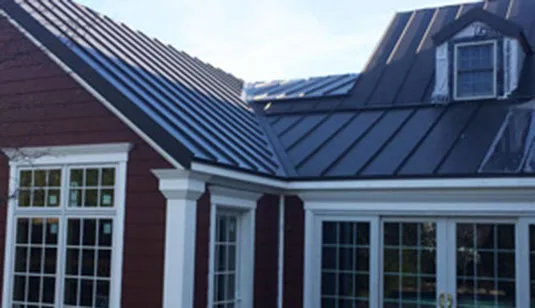
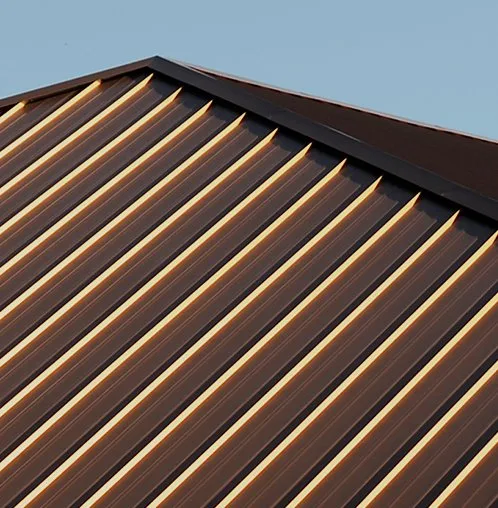
- Standing seam roofs. Our 1.5-inch mechanical lock panels come in 16 oz copper or 0.7 and 0.8 mm zinc, 12 to 20 inches wide, typically down to 1/2:12 over a solid deck. See snap-lock vs mechanical lock.
- Flashing. Chimney, wall and valley flashing in a metal that matches the roof; see metal flashing.
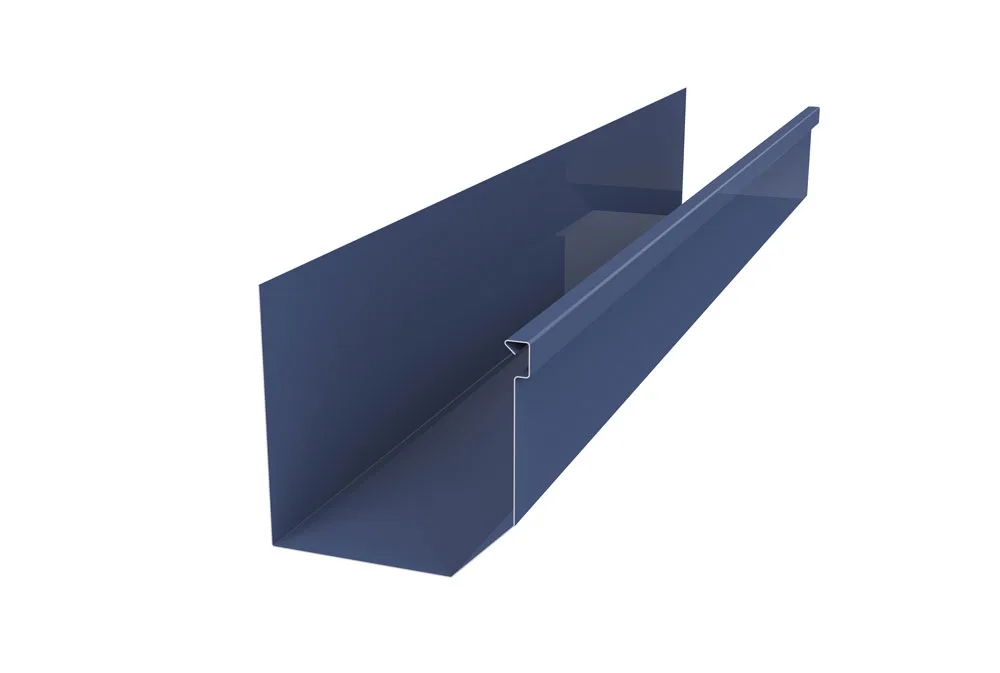
- Box gutter liners. Liners with end caps, outlets and scuppers for built-in gutters on older buildings; see box gutters.
- Chimney caps. Caps in natural metal, made to your chimney’s dimensions; see chimney caps.
- Bays, dormers and entry roofs. Small, visible roofs where natural metal matters most.
On historic houses, a local commission may review natural-metal work first; our post on copper and zinc roofs in historic districts covers that. Copper K-style gutters are covered in gutter coil: aluminum, steel or copper.
Which metals must be kept away from copper?
Keep copper runoff off zinc, galvanized steel, Galvalume and aluminum, and keep copper from touching them. Water that has run over copper carries traces of it that attack those metals, and direct contact in wet weather does the same.
The rule shows up in warranties. Metal Sales’ Galvalume warranty excludes areas that receive runoff from copper or lead flashing and areas in contact with copper. So a copper bay roof that drains onto a Galvalume main roof needs its water redirected, and a copper chimney cap should not drip onto zinc below.
- Plan the water path before any part is made: copper should drain to copper, or straight to the ground.
- Water may run from zinc or painted steel onto copper, but not the other way.
- Use clips, cleats and fasteners of the same metal, or one the metal’s maker approves.
- Separate copper from other metals wherever they would otherwise touch.
Zinc has rules of its own. Follow the zinc maker’s requirements for underlayment, ventilation under the sheet and contact with other materials, because the back of zinc needs protection from trapped moisture.
How do you order copper or zinc parts?
Send the metal, its weight or thickness, the parts and the dimensions your installer or architect has drawn. We reply with a written quote within 24-48 hours, or with questions.
- Name the metal: copper by weight, such as 16 oz, or zinc by thickness, 0.7 or 0.8 mm.
- List the parts: panels, flashing, liners, caps or trim, with quantities and lengths.
- Add a sketch with every dimension, photos, or the drawings and specs.
- Send it through the quote form, by email to info@architecturalmetalpanels.net, or as a photo by text to (732) 236-8750.
- Approve the quote, and the shop drawings where the job calls for them.
The lead time for copper and zinc parts is on your quote. Orders are delivered within about a 5-hour drive of the shop, or picked up during office hours, Monday–Friday 7 AM–5 PM. We work from your installer’s dimensions and do not measure on site.
Copper and zinc sheet questions
Is 16 oz copper thick enough for a roof?
Yes. 16 oz copper, about 0.0216 inch thick, is the common weight for copper roofing, flashing and gutters. Heavier sheet such as 20 oz is used where a specification calls for a stiffer metal.
What is the difference between 16 oz and 20 oz copper?
Weight and thickness. 20 oz copper has a quarter more metal per square foot than 16 oz, so it is stiffer and heavier. Most roofing and flashing uses 16 oz, and we run copper mostly in that weight.
Should I choose 0.7 mm or 0.8 mm zinc?
Both suit standing seam and flashing. The 0.8 mm sheet is stiffer and stays flatter on wider panels, while 0.7 mm suits standard widths and trim. Follow the architect’s spec or the zinc maker’s guidance for your panel width.
Can copper and zinc be used on the same building?
Yes, if water runs from the zinc toward the copper and never from copper onto zinc, and the two metals do not touch. Copper runoff corrodes zinc, so plan the drainage before parts are made.
Do copper and zinc need paint or a coating?
No. Both are left as natural metal and protect themselves with their patina. Copper keeps changing color for years, while zinc stays in a gray range, so choose the metal for the look you want long term.
Copper and zinc
Planning copper or zinc work?
Send the metal, weight or thickness, parts list and your installer’s dimensions or drawings. We reply with a written quote within 24-48 hours for parts fabricated in our New Jersey shop.