
AMP profile line: concealed fastener
AMP Wave 12-3 Wall Panel: 12 Inch Concealed Fastener Profile
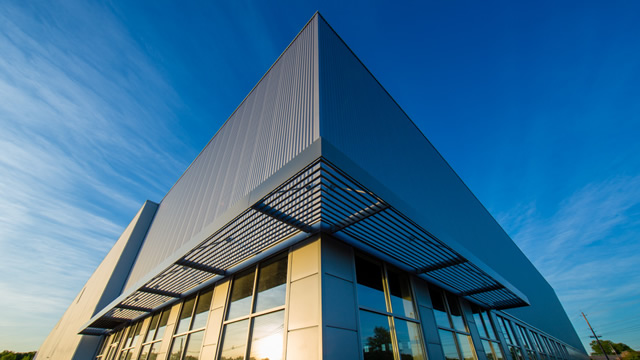
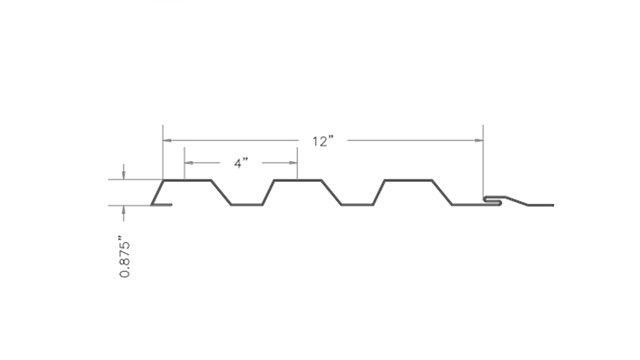
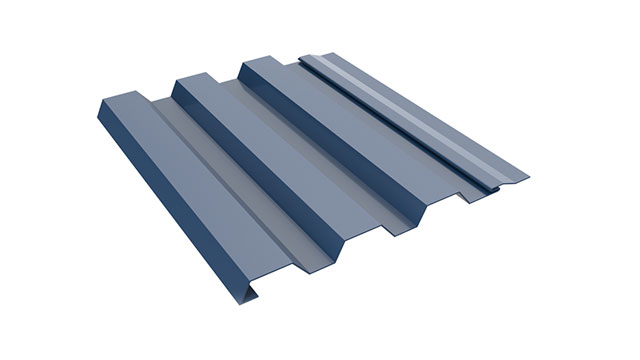
The AMP Wave 12-3 is a 12 inch concealed fastener wall panel with three waves per piece, run horizontally or vertically. Its narrower module suits walls full of windows, doors and short returns, where a wider panel leaves awkward slivers. We cut it to your lengths in our New Jersey shop, bend matching trims, and deliver the order in New Jersey or have it ready for pickup. Homeowners with their own installer can request a quote.
- 5 on Google (4 reviews)
- 26+ years of experience
- Delivery or shop pickup
Why choose a 12-inch wave panel?
A 12-inch module gives more layout options and a finer texture. Three waves on a 12-inch panel make a tighter pattern that looks right on walls people see up close: entries, ground floors and house fronts.
The fastening edge is hidden, just like the wider Wave 16-4. Screws go through the panel’s fastening leg into the furring or girts, and the next panel covers them. The wall shows waves and trims, not screw heads.
| Item | AMP Wave 12-3 |
|---|---|
| Fastening | Concealed |
| Coverage | 12″ per panel |
| Profile | 3 waves per panel |
| Orientation | Horizontal or vertical |
| Wave depth | Confirm on the submittal |
| Gauge | Confirm on the submittal |
| Lengths | Fabricated to your lengths in our shop; limits confirmed on the submittal |
| Substrate | Galvalume or galvanized steel; aluminum available on request |
| Finish | PVDF (Kynar 500) or SMP; colors from the coil manufacturer’s chart |
| Trims | Corners, jambs, heads, sills, base and top, formed from matching coil |
| Delivery | Delivered in New Jersey or picked up at our shop |
Wave 12-3 or Wave 16-4: which one fits your wall?
Choose by layout and scale. Wave 12-3 fits busy walls and close viewing; Wave 16-4 covers long, plain walls with fewer pieces.
| Question | Wave 12-3 | Wave 16-4 |
|---|---|---|
| Coverage per panel | 12″ | 16″ |
| Waves per panel | 3 | 4 |
| Suits walls with | Many openings, short returns, ground floors, homes | Long, tall runs and few interruptions |
| Panels across 100 feet of wall (vertical) | 100 | 75 |
| How it reads up close | Finer, tighter texture | Broader, calmer texture |
The math matters on big walls: 25 extra panels means 25 extra side joints to set and align. On a storefront with six openings, though, the narrow module often wastes less metal. See the full profile line on our metal wall panels page.
How do you lay out a Wave 12-3 wall around windows and doors?
Start from the openings, not the corner. On the shop drawings we set the starting point so panel joints land at or near window jambs, which avoids thin slivers of panel beside the glass.
- Center the pattern on the main feature, such as the entry or a large window, so both sides match.
- Compare window and door widths with the 12-inch module. A small shift in the starting line can remove a sliver on every opening.
- Draw jamb, head and sill trims before fabrication. Head trims shed water out over the panel below.
- Decide how corners look: a separate corner trim or a formed corner piece.
The shop drawings show every joint against every opening. You approve that layout before we cut a single panel, and your installer starts from the line it shows.
Can Wave 12-3 share a facade with other materials?
Yes, and it often plays the supporting role. The fine texture reads as a secondary surface beside flat or masonry materials.
With ACM
Flat aluminum composite panels at the entry or canopy, with Wave 12-3 on the piers and bands around it.
With Wave 16-4
Wide panels on the upper body of the building, with the finer 12-3 at the ground floor where people walk past.
With brick or block
A masonry base and Wave 12-3 above, separated by a flashing and drip trim.
Every material change needs a transition trim or flashing, and parapets need a cap. We draw those details with the panels so the trades meet cleanly.
Copper accents need one extra check. Metal Sales’ Galvalume warranty excludes areas that take runoff from copper or lead flashings and piping, so a copper roof or trim above a Galvalume wall must be detailed to drain away from the panels.
Request a quote
Or call (732) 201-5224, Mo-Fr 07:00-17:00.
Is Wave 12-3 a good choice for a modern home?
Yes. On a house, a 12-inch module looks in scale with doors, windows and garage bays. Owners use it on entries, garages, dormer side walls and full accent walls.
Over wood framing, the panels go on furring over sheathing and a weather-resistive barrier, which leaves a small drainage space behind the metal. Your installer should lap the head trims over the window flashing so water stays outside the wall. Inland homes usually get Galvalume steel with a PVDF finish. Near salt water, aluminum is often the safer substrate, because some Galvalume warranties exclude the coast; the same Metal Sales warranty does not apply within 1,500 feet of salt water.
Many owners match the wall color to a metal roof. Send the plans or your installer’s measurements with a quote request, and we price the panels and trims for delivery or pickup.
How do you order Wave 12-3 panels?
Send elevations with the openings marked, or a cut list from your installer, and we reply with a written quote. We work from your dimensions and our approved shop drawings. We never measure on site, so field dimensions are your installer’s responsibility.
- Profile, gauge and direction: Wave 12-3, the gauge from your spec, horizontal or vertical.
- Finish and color: PVDF or SMP on Galvalume, galvanized steel or aluminum, in a color from the coil maker’s chart.
- Cut list: each panel length and quantity, or the elevations we draw it from.
- Trims and closures: jambs, heads and sills for each opening size, plus corners, base and top.
- Delivery or pickup: delivered in New Jersey or collected at our shop. Ask about delivery to your job.
Commercial orders include a submittal package: product data, the color chart and physical chips, shop drawings with opening details, fastener type and spacing, and finish warranty terms from the coil manufacturer. Ask us about current lead times. Builders can send plans for a quote with the spec section and bid date.
Notes for your installer
Set the weather barrier and furring or girts at the spacing on the submittal, then a level base trim. Start the first panel on the line from the shop drawings, not at the corner, so joints land at the jambs. Finish with opening, corner and top trims.
How do you care for a Wave 12-3 wall?
Rinse it once or twice a year and clean off any construction residue quickly. Mortar splatter, sealant smears and paint overspray from other trades can stain a finish if left in place.
Look at the sealant joints at windows and doors every few years, since that is where walls usually need attention first. Keep plantings and mulch clear of the base trim.
Wave 12-3 questions
Does a 12-inch panel cost more than a 16-inch panel?
Often a little more per square foot of wall, because the wall takes more panels and side joints. On walls full of openings the narrow panel can waste less metal, and the gap narrows. Ask us to price both as alternates.
Can Wave 12-3 and Wave 16-4 be used on the same building?
Yes. Both are concealed fastener panels from our line. We draw the trim where they meet so the change looks intended.
Will the panel joints line up with my windows?
We plan for it. The shop drawings show where each joint falls against each opening, and you approve that layout before we cut panels. Your installer then starts from the line shown.
Can Wave 12-3 run vertically on a house?
Yes. Vertical panels are common on homes, garages and entries. Your installer fastens them to horizontal furring over the weather barrier.
Does Wave 12-3 need different framing than Wave 16-4?
Framing depends on orientation and on the fastening requirements for the gauge selected, more than on panel width. Furring or girt spacing is confirmed on the submittal.
Wave 12-3 orders
Planning a detailed facade with Wave 12-3?
Send the drawings and we will lay out the panels around your openings, then quote panels and trims as one order for delivery or pickup. Homeowners with their own installer can call or request a quote.